
Vegan Rabokki
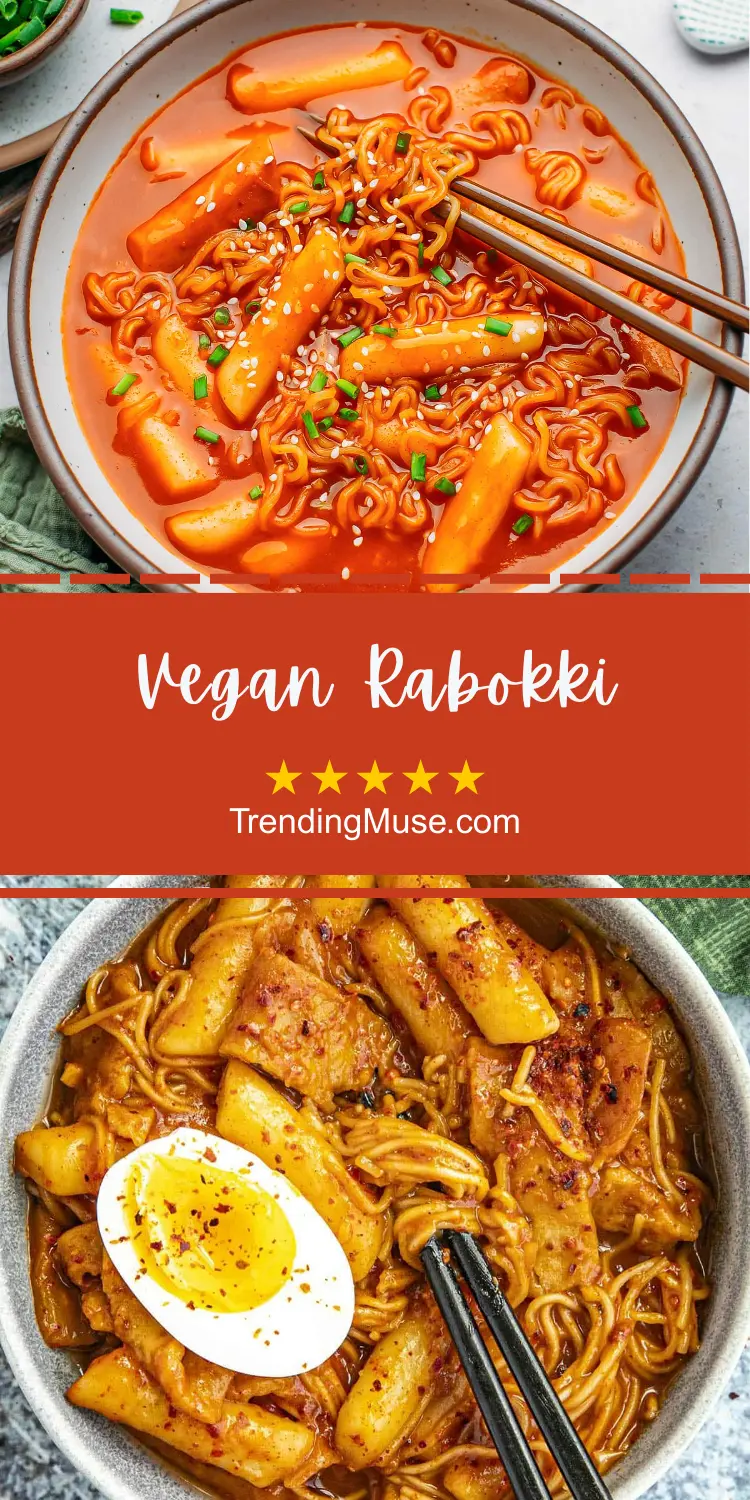
Vegan Rabokki is the kind of comfort food that grabs your attention and refuses to let go. It’s spicy, chewy, saucy, and deeply satisfying in that “one more bite” way. This dish combines rice cakes and ramen in a bold, gochujang-based sauce that feels cozy and exciting at the same time. It’s perfect for chilly evenings, lazy weekends, or whenever you’re craving something unapologetically flavorful. Best of all, it’s completely plant-based without losing any of that classic street-food energy.
What Makes This Vegan Rabokki Special
What makes Vegan Rabokki stand out is its contrast of textures. The chewy rice cakes and springy ramen noodles soak up the sauce differently, giving every bite something new.
The sauce is the real hero here. It’s spicy, slightly sweet, and deeply savory, creating that addictive flavor people love about rabokki. Making it vegan doesn’t take anything away—it simply lets the core flavors shine.
Ingredients
Here’s what you’ll need to make a comforting bowl of Vegan Rabokki:
- 1 cup Korean rice cakes (tteok)
- 1 block ramen noodles, seasoning packet discarded
- 3 cups water or vegetable broth
- 2 tbsp gochujang
- 1 tbsp soy sauce or tamari
- 1 tbsp sugar or maple syrup
- 1 tsp sesame oil
- 1 clove garlic, minced
- ½ tsp gochugaru (Korean chili flakes) (adjust to taste)
- ½ cup vegan fish cake substitute or tofu slices
- 2 green onions, sliced
- Optional: sesame seeds, mushrooms, or vegan cheese
Everything works together to create that signature bold flavor.
Instructions
- Soak the rice cakes in warm water for about 10 minutes if they’re firm. This helps them cook evenly.
- Bring water or broth to a simmer in a wide pan over medium heat. Add gochujang, soy sauce, sugar, garlic, sesame oil, and gochugaru, then stir until smooth.
- Add the rice cakes and vegan protein to the sauce. Let them simmer for about 5–7 minutes, stirring occasionally.
- Add the ramen noodles, gently pressing them into the sauce. Cook until the noodles soften and the sauce thickens.
- Taste and adjust seasoning, then top with green onions and sesame seeds. Serve hot while the sauce is glossy and rich.
Storage Tips
Store leftovers in an airtight container in the refrigerator for up to 2 days. The sauce will thicken as it sits, which is normal.
When reheating, add a splash of water or broth and warm gently on the stove. Stir often to keep the noodles from sticking.
Health Benefits
Vegan Rabokki offers more than just comfort. Rice cakes provide quick energy, while tofu or vegan protein adds plant-based protein.
Gochujang contains fermented ingredients that can support gut health. Adding vegetables like mushrooms or cabbage boosts fiber and nutrients without changing the dish’s character.
Common Mistakes to Avoid
One common mistake is overcooking the rice cakes, which can make them too soft. Keep an eye on the texture as they simmer.
Another issue is using too much sauce liquid. Rabokki should be thick and clingy, not soupy.
Also, don’t skip tasting as you go. Gochujang brands vary in heat and sweetness.
Alternatives and Variations
You can easily make this dish your own:
- Add cabbage or bok choy for extra volume
- Use udon instead of ramen for thicker noodles
- Stir in vegan mozzarella for a creamy twist
- Add mushrooms or zucchini for more vegetables
- Reduce spice and add extra sweetness for a milder version
These changes keep the dish flexible while staying true to its roots.
Frequently Asked Questions
Is Vegan Rabokki very spicy?
It’s moderately spicy, but you can easily adjust the heat level.
Can I make this gluten-free?
Yes, use gluten-free rice cakes and noodles with tamari.
Do I need authentic Korean ingredients?
Gochujang is important, but everything else is flexible.
Can I make it ahead of time?
It’s best fresh, but leftovers still taste good the next day.
What can I serve with Vegan Rabokki?
It works well on its own or with simple side dishes like cucumber salad.
Final Thoughts
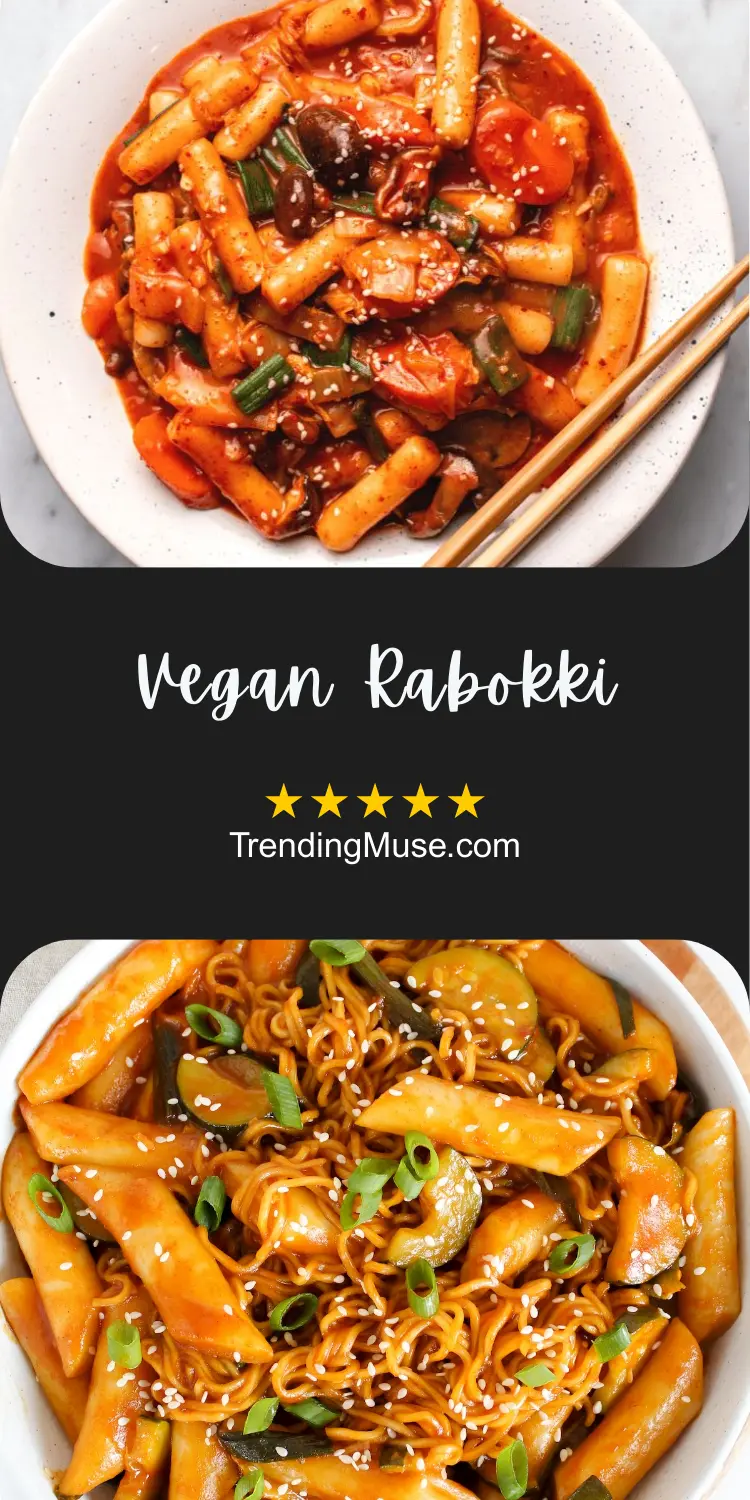
Vegan Rabokki is bold, comforting, and surprisingly easy to make at home. It captures the heart of a beloved street food while staying fully plant-based. If you love spicy, saucy dishes with big personality, this recipe deserves a spot in your rotation. Give it a try and enjoy every chewy, flavorful bite.