
Chow Mein Recipe
Chow Mein is one of those dishes that instantly makes dinner feel exciting without turning your kitchen into a disaster zone. It’s savory, slurp-worthy, and comes together faster than delivery—yes, really. If you’ve ever thought stir-fry was intimidating, this recipe is about to change your mind.
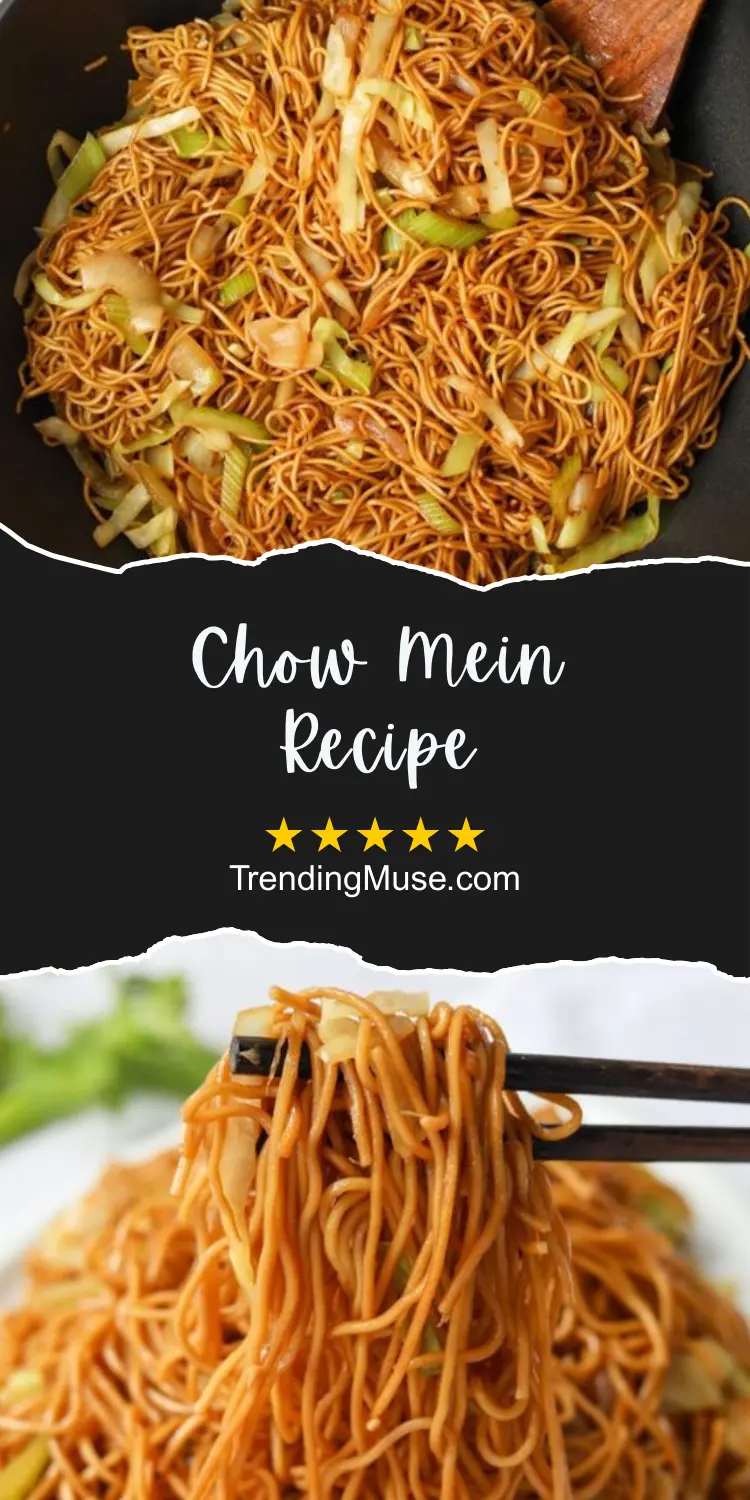
The noodles soak up all that glossy sauce, the veggies stay crisp, and everything tastes like your favorite takeout spot… but fresher. Bonus points: you control the ingredients, the salt, and the portions.
What Makes This Chow Mein Recipe Special
This Chow Mein stands out because it hits that perfect balance of saucy, savory, and satisfying without being greasy. The sauce is simple but bold, coating every noodle just right. It’s also incredibly flexible—you can keep it veggie-forward, add protein, or clean out your fridge without consequences.
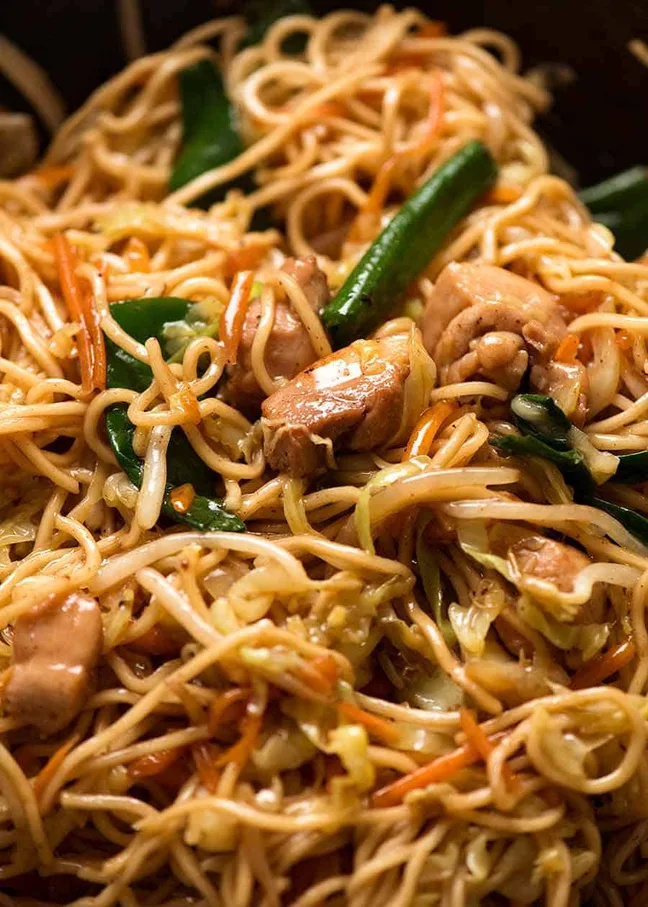
Everything cooks quickly in one pan, which means less waiting and more eating. It’s comfort food that doesn’t overcomplicate things.
Ingredients
- 8 oz chow mein noodles or thin egg noodles
- 2 tablespoons vegetable oil
- 2 cloves garlic, minced
- 1 teaspoon fresh ginger, grated (optional but great)
- 1 cup shredded cabbage
- 1 cup carrots, julienned
- ½ cup bell pepper, sliced
- ½ cup green onions, sliced
- 1 cup cooked chicken, shrimp, or tofu (optional)
For the Sauce
- ¼ cup soy sauce
- 1 tablespoon oyster sauce (or vegetarian oyster sauce)
- 1 tablespoon hoisin sauce
- 1 teaspoon sesame oil
- 1 teaspoon sugar
- ½ teaspoon cornstarch
- 2 tablespoons water
Instructions
- Cook the noodles according to package instructions until just tender. Drain and set aside.
- In a small bowl, whisk together all sauce ingredients until smooth. Set aside so it’s ready to go.
- Heat vegetable oil in a large skillet or wok over medium-high heat.
- Add garlic and ginger and stir-fry for about 30 seconds until fragrant.
- Add cabbage, carrots, and bell peppers. Cook for 2–3 minutes until slightly softened but still crisp.
- Add cooked protein if using, then toss to combine.
- Add noodles and pour the sauce over everything.
- Toss continuously for 2–3 minutes until noodles are coated and glossy.
- Finish with green onions and serve immediately.
Storage Tips
Store leftover Chow Mein in an airtight container in the refrigerator for up to 3 days. Reheat in a skillet over medium heat with a splash of water or oil to loosen the noodles. The microwave works too, but stir halfway for even heating. Chow Mein tastes best fresh, but leftovers still hold up well.
Health Benefits
This dish can be surprisingly balanced depending on how you build it. Vegetables provide fiber, vitamins, and crunch, while adding lean protein boosts satiety. You can reduce sodium by using low-sodium soy sauce and adding more veggies. Cooking at home also keeps excess oil in check, making this a smarter alternative to takeout.
Common Mistakes to Avoid
One common mistake is overcooking the noodles, which leads to mushy results. Another is overcrowding the pan—high heat needs space to work. Adding the sauce too early can make things soggy, so wait until everything’s ready. And don’t skip tossing constantly at the end; that’s how the sauce coats evenly.
Alternatives and Variations
Swap chow mein noodles for spaghetti or rice noodles if needed. Make it fully vegetarian by skipping oyster sauce and using tofu or mushrooms instead. Add chili garlic sauce or sriracha for heat. For extra depth, toss in a handful of bean sprouts at the end. IMO, a squeeze of lime adds a fun twist.
Frequently Asked Questions
Is Chow Mein spicy?
Not by default, but it’s easy to add heat if you want.
Can I make this gluten-free?
Yes—use gluten-free noodles and tamari instead of soy sauce.
What protein works best?
Chicken, shrimp, tofu, or even beef all work well.
Can I prep this ahead of time?
You can prep the veggies and sauce, but cook it fresh for best texture.
What’s the difference between Chow Mein and Lo Mein?
Chow Mein uses thinner noodles and is more stir-fried; Lo Mein is softer and saucier.
Final Thoughts
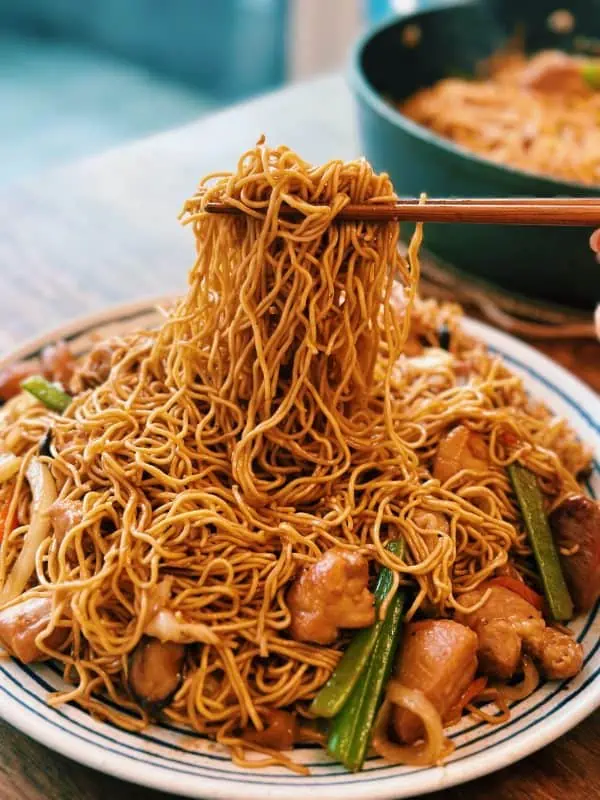
Chow Mein is one of those recipes that proves homemade can be just as satisfying as takeout—if not better. It’s fast, flexible, and packed with flavor that keeps everyone coming back for more. Once you make it a couple of times, it becomes second nature. Grab your pan, crank up the heat, and enjoy a classic dish that never goes out of style.


