
Vegan Pad Thai
So you’re craving something bold, slurpy, and wildly satisfying—but also don’t feel like ordering takeout for the third time this week? Same. Vegan Pad Thai is here to save the day, your wallet, and possibly your dignity.
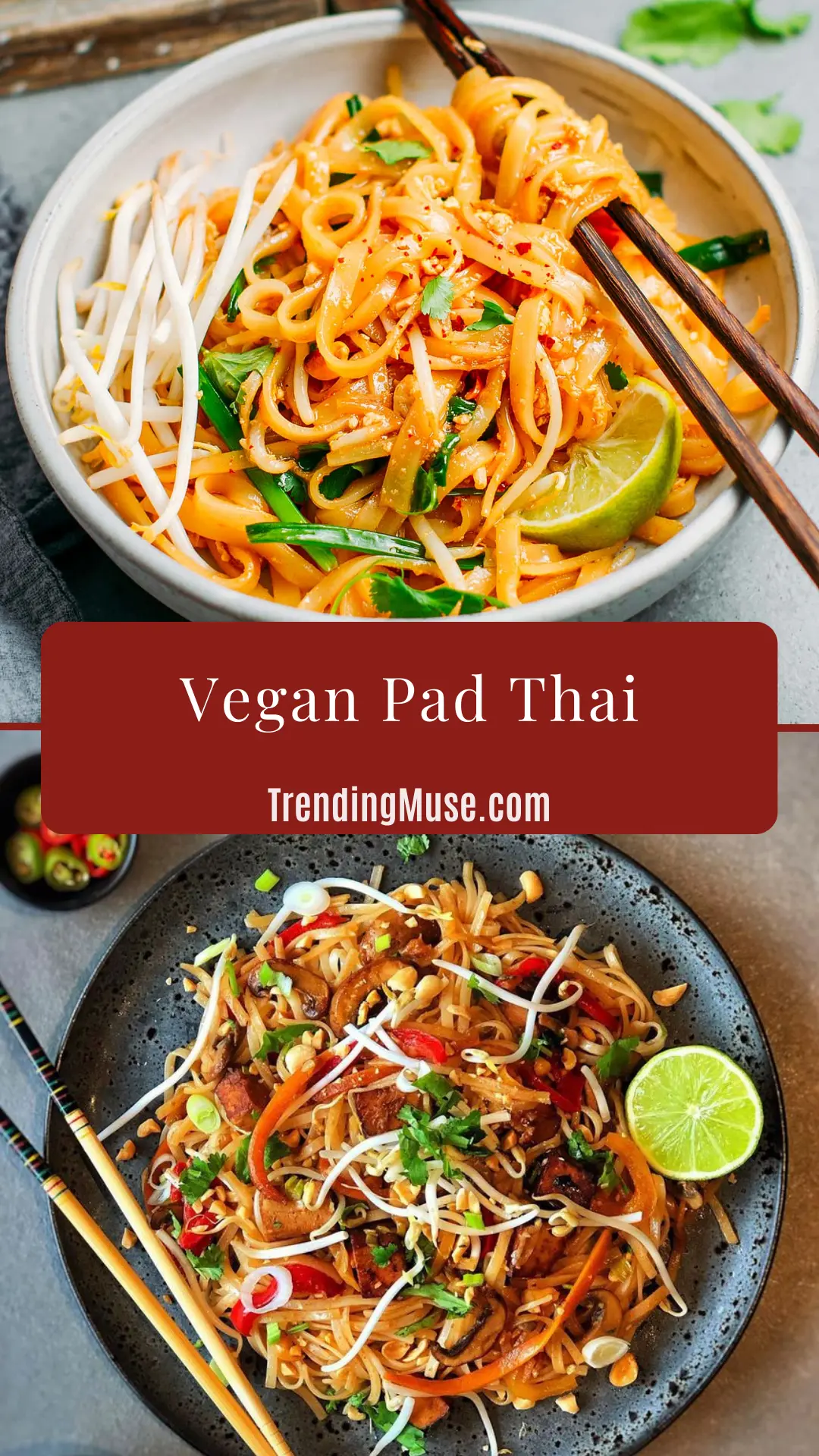
It’s sweet, salty, tangy, a little spicy, and somehow comforting in that “I made this myself and I’m proud” way. The best part? You don’t need chef skills or obscure ingredients to pull it off. This recipe keeps things simple, flexible, and very forgiving.
Why This Recipe Is Awesome
First of all, it’s ridiculously flavorful without being complicated. You get that classic Pad Thai vibe—chewy noodles, saucy goodness, crunchy toppings—without fish sauce or eggs. It’s fast enough for weeknights but impressive enough to serve to guests and casually say, “Oh this? I just threw it together.” Plus, it’s customizable, meal‑prep friendly, and honestly hard to mess up. Even on your tired days, this recipe shows up for you.
Ingredients You’ll Need
- 8 oz rice noodles (flat ones work best)
- 1 tablespoon oil (neutral or sesame)
- 7 oz firm tofu, pressed and cubed
- 2 cloves garlic, minced
- 1 cup shredded carrots
- 1 cup bean sprouts
- 2 green onions, sliced
- ¼ cup roasted peanuts, crushed (optional but encouraged)
- Fresh lime wedges, for serving
For the sauce:
- 3 tablespoons tamarind paste (or lime juice in a pinch)
- 3 tablespoons soy sauce or tamari
- 2 tablespoons brown sugar or maple syrup
- 1 tablespoon peanut butter (trust me)
- ½ teaspoon chili paste or red pepper flakes, optional
Step-by-Step Instructions
- Cook the rice noodles according to package instructions until just tender. Drain and rinse with cold water so they don’t turn into noodle glue.
- Heat oil in a large pan over medium heat. Add tofu and cook until golden on all sides, then remove and set aside like the star it is.
- In the same pan, add garlic and sauté for about 30 seconds until fragrant. Don’t burn it—burnt garlic ruins moods.
- Add carrots and cook for 1–2 minutes until slightly softened but still crunchy.
- Whisk all sauce ingredients together, then pour into the pan. Add noodles and toss to coat evenly.
- Return tofu to the pan and stir everything together until warm and glossy.
- Remove from heat and fold in bean sprouts and green onions.
- Serve hot with peanuts and a big squeeze of lime.
Common Mistakes to Avoid
Overcooking the noodles is the fastest way to heartbreak. Mushy Pad Thai is not a vibe. Also, skipping the tamarind (or at least lime) makes the dish fall flat—it needs that tang. Another classic mistake? Cranking the heat too high and drying everything out. Keep it medium and calm. Pad Thai rewards patience.
Alternatives & Substitutions
No tamarind? Lime juice plus a splash of rice vinegar works. Hate tofu? Use tempeh, mushrooms, or chickpeas. Want it spicy‑spicy? Add chili oil or extra paste. Gluten‑free? Use tamari instead of soy sauce (FYI, most rice noodles already are). IMO, Pad Thai is at its best when you make it your own.
FAQ (Frequently Asked Questions)
Can I make Vegan Pad Thai ahead of time?
Yes, but it’s best fresh. Reheat gently with a splash of water.
Do I really need peanut butter in the sauce?
Technically no, but it adds richness—why deny yourself joy?
Is this dish spicy?
Only if you want it to be. You’re in full control here.
Can I add more veggies?
Absolutely. Bell peppers, snap peas, or broccoli work great.
What if I don’t like tofu?
That’s fine. Swap it out—Pad Thai doesn’t judge.
Is this authentic?
It’s inspired, not traditional. And it’s delicious, which is the point.
Final Thoughts
Vegan Pad Thai is one of those recipes that feels way fancier than the effort it requires. It’s cozy, customizable, and endlessly satisfying—basically everything you want in a weeknight meal. Once you make it at home, takeout might start feeling unnecessary (or at least less exciting). Now go grab those noodles and show your kitchen who’s boss. You’ve got this. 🍜🌱


